
The Fatal Side Effect of Marijuana Legalization
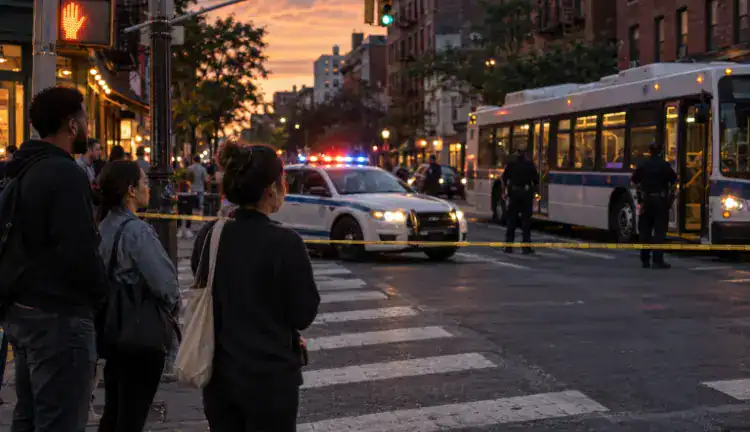
The number of drunk drivers has shrunk by nearly a third since 2007. Meanwhile, the number of drugged drivers is on the rise, and the results have proved lethal.
Drivers that tested positive for drugs rose from 12.4% in 2007 to 15.1% in 2013, according to surveys by the National Highway Traffic Safety Administration. The most common drugs in drivers’ systems were marijuana, at 34.7% of drugged drivers, and amphetamines, at 9.7%.
A report by the Governors Highway Safety Association found that an estimated 38% of people killed in auto accidents have detectable levels of drugs in their system. The report’s author, James Hedlund, attributes the rise in drugged driving to more widespread use of marijuana in the wake of its legalization, as well as an increase in prescription drug use. “It’s time to pay more attention to drug-impaired driving,” said Hedlund.
Drinking and driving is a deadly combination because it results in speedy, reckless driving and impaired coordination. Marijuana use, in contrast, tends to produce slower drivers, but it also slows reaction time and affects motor coordination. Hedlund’s report concluded that drivers with marijuana in their systems are twice as likely to be involved in car crashes than those that test negative.
When drinking and marijuana use are combined, the alcohol increases THC absorption, resulting in even more potent effects. A study by the National Institute on Drug Abuse found that drivers that consumed both marijuana and alcohol, even within legal limits, experienced dangerous impairment.
While most states limit drivers’ blood-alcohol content to .08%, there is no comparable metric for marijuana use. Police are not nearly as equipped to measure drug use as they are equipped to measure alcohol consumption. Oregon and Alaska, two states that have decriminalized marijuana consumption, have no state laws against driving under the influence of drugs.
Drugged driving is already a major cause of auto collisions in the US, and it is on the rise. How many more tragedies need to occur before the laws catch up?
Sources:
“Does Marijuana Use Affect Driving?” National Institute on Drug Abuse, June 2015.
Gray, Eliza, “How Much Does Marijuana Impact Your Driving?” Time, 23 June 2015.
Storrs, Carina, “Driving while drugged now just as deadly as drunk driving,” CNN, 1 October 2015.
Related Practice Areas
Image note: photographs accompanying our blog articles are illustrative and digitally created. They do not depict actual clients, actual attorneys of this firm, or actual events.
Read more

Beyond the App: Unmasking Uber’s Strategy to Evade Passenger Liability
When a passenger steps into an Uber on the streets of New York, there is an implicit expectation that the multi-billion-dollar ride-hailing giant stands behind the safety of that journey. Yet, in courtrooms and arbitration proceedings across the country, Uber’s primary defense line remains remarkably consistent: we are merely a technology platform, not a transportation […]

When the Safety Net Fails: What Michael Wagner’s Story Teaches NYC Construction Workers About Labor Law 240(1) & Injury Rights
In the immediate aftermath of a severe construction site accident, most injured workers focus on one thing: getting back on their feet. They assume that if they play by the rules, report the incident, and file their claims, the safety net will be there to protect them and their families. Unfortunately, as millions of workers […]

Can New York City Be Liable for a Dangerous Street or Intersection?
When a pedestrian, bicyclist or motorist is seriously injured in a New York City traffic accident, the investigation should not always end with the drivers involved. In some cases, the design, operation or maintenance of the roadway itself may have contributed to the crash. New York City has a duty to maintain its streets in […]