
Whistleblowing, Pt. 4: The General Motors Recall
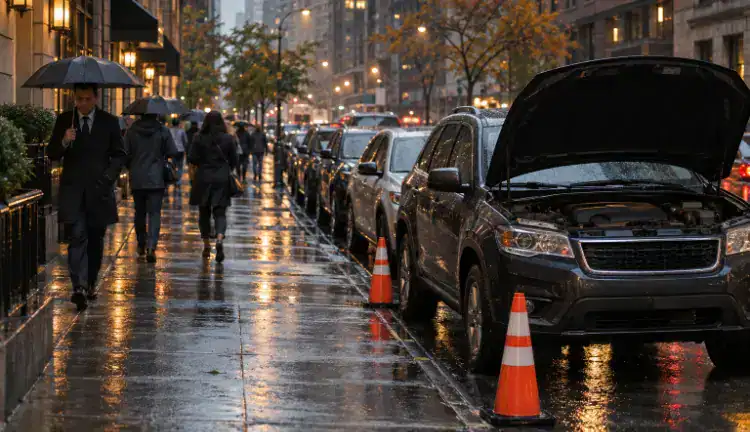
Even the most flagrant instances of corporate fraud or negligence can translate into extremely challenging whistleblower lawsuits. When dealing with corporations as powerful as General Motors, it can sometimes take more than the best efforts of a few individuals to achieve real change.
Courtland Kelley, the head of GM’s nationwide inspection program, sued the company for its failure to address auto safety concerns back in 2003. Courtland was a proud 30-year employee of GM, and both his father and grandfather had worked for the company, so it was especially difficult for him to take legal action against his employer.
After discovering a number of significant safety defects in GM vehicles from fuel leaks to faulty anti-lock brakes, Courtland reported the problems again and again, even threatening to contact the National Highway Traffic Safety Administration before finally launching a whistleblower lawsuit. But Courtland was no match for GM, and his case was thrown out on procedural grounds.
In 2005, two years after Courtland’s lawsuit, GM employee Laura Andres sent out an email to a number of her colleagues warning of a defective ignition switch in the Chevy Impala. After hitting a bump on the highway her car stalled out, a concern she described as a “serious safety problem.” In her email she went on to say, “I’m thinking big recall.”But there was no big recall. At least not for the next seven years, during which time there have been at least 54 crashes and 13 deaths linked to the ignition switch issue that Laura described. Now, in 2014, over a decade after Courtland Kelley’s failed whistleblower lawsuit against GM, the company is finally acknolwedging the defect in its vehicles with a series of recalls that now total at 20 million.
Consumers are often at the mercy of large corporations like GM, with little real knowledge of the companies’ safety standards. This is why we rely on honest, hard working people like Courtland Kelley to do the right thing even when it’s not in their best interest. Courtland was not able to take down GM on his own, but after enough individuals made noise about the safety problems they saw, they all became a part of the solution. We can only hope that GM will finally learn that it doesn’t pay to cut corners in matters of safety.
Sources: “About GM,” General Motors.Dee-Ann Durbin and Tom Krishner, “GM Could Face Another Fine for Impala Recall,” ABC News, June 19 2014.
Tim Higgins and Nick Summers, “GM Recalls: How General Motors Silenced a Whistle-Blower,” Businessweek, June 18 2014.
Related Practice Areas
Image note: photographs accompanying our blog articles are illustrative and digitally created. They do not depict actual clients, actual attorneys of this firm, or actual events.
Read more

E-Bike, Scooter and Bicycle Accidents in New York City: Who Pays
After most e-bike accidents in New York, the no-fault insurer of the car, truck or bus that hit you pays first. That coverage pays medical bills and part of lost pay up to fifty thousand dollars under Insurance Law 5102(a), but nothing for pain, which takes a lawsuit, a serious injury and a share of […]

Brain Injury From a Hospital Mistake in New York: What a Malpractice Claim Must Prove
Yes, you can sue a New York hospital for a brain injury when hospital negligence, a departure from accepted practice, caused the loss of oxygen. Most hospitals allow two years and six months under CPLR 214-a. An NYC Health + Hospitals facility requires a notice of claim within ninety days under General Municipal Law 50-e. […]

Snow and Ice Falls in New York City: Who Had to Clear It and When
Under NYC snow removal rules, the property owner next to a sidewalk has four hours to clear it after daytime snow stops, and until the next morning after evening or overnight snow. The stop time also decides whether the “it was still snowing” defense applies, and that fact disappears as fast as the ice. How […]