
NYC Public Advocate Fights Back Against Bad Landlords
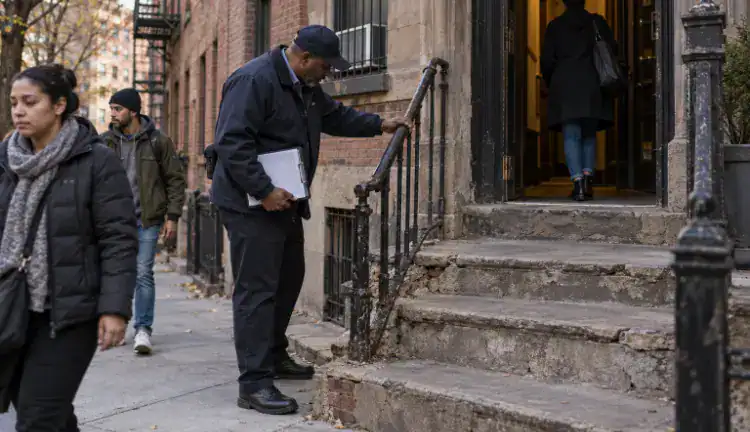
New York City Public Advocate Letitia James introduced several new bills this week that would increase the city’s power to fight back against negligent landlords.
One bill would expand the scope of the city’s public nuisance law to allow city officials to bring landlords to court for maintaining unsanitary or dangerous living conditions.
“This new law would give us the ability to step in and act in such a situation rather than waiting for the landlord who has shown they don’t care,” said James.
Another bill would force the Department of Buildings to deny building permits to building owners with excessive safety violations.
“If you are capable of doing construction renovations, then you can certainly first address the deficiencies in the apartments,” said Ed Josephson of Legal Services NYC.
This new legislation comes on the heels of James’ release of last year’s ‘Worst Landlords Watchlist,’ a list of the New York City landlords with the greatest number of complaints and building violations.
The Watchlist compiles data from both the Department of Buildings and the Department of Housing Preservation and Development, and only includes the most egregious offenders.
With 2,369 violations divided between 11 different Bronx buildings, Ved Parkash was rated the worst landlord in New York City. Landlords Harry D. Silverstein and Yechiel Weinberger followed close behind, each with buildings in the Bronx, Brooklyn and Queens.
To check if your own landlord made the list, click here.
Do you feel that your landlord is violating your rights?
New York City landlords are required by law to keep their buildings free of garbage and vermin and in “good repair,” and to maintain heating, plumbing, ventilating and electrical systems.
Landlords must give tenants a week’s notice before entering their apartment for repairs, and 24 hours’ notice before an inspection.
If your landlord changes your locks without warning and does not give you a new key, you may call the police to report an unlawful eviction.
Sources: “100 Worst Landlords in New York City,” Letitia James: Public Advocate for the City of New York.
Durkin, Erin, “Public Advocate Letitia James introduces bills that would better equip city to deal with criminal, negligent landlords,” New York Daily News, 6 January 2016.
“Tenants’ Rights,” Letitia James: Public Advocate for the City of New York.
Related Practice Areas
Image note: photographs accompanying our blog articles are illustrative and digitally created. They do not depict actual clients, actual attorneys of this firm, or actual events.
Read more
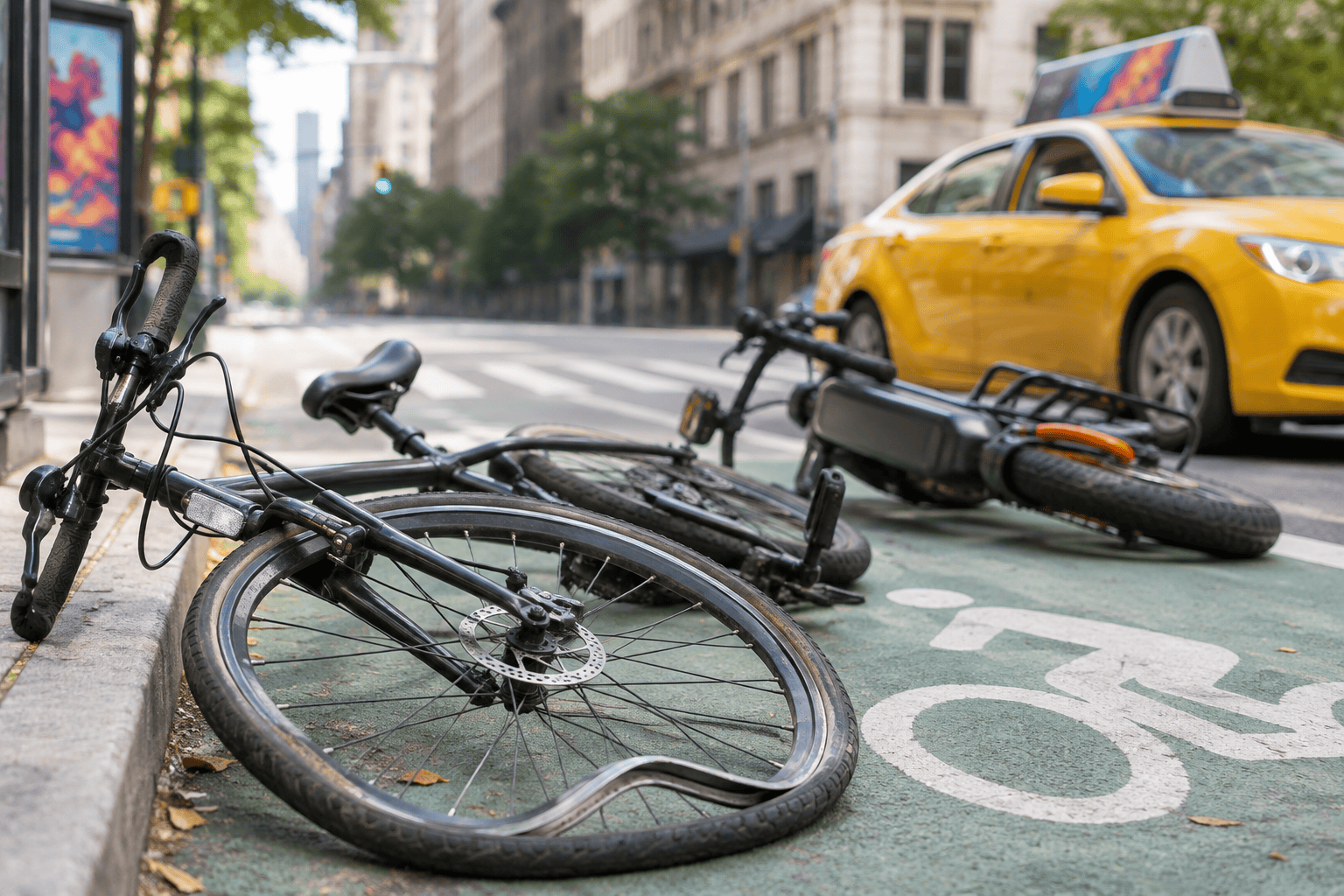
E-Bike, Scooter and Bicycle Accidents in New York City: Who Pays
After most e-bike accidents in New York, the no-fault insurer of the car, truck or bus that hit you pays first. That coverage pays medical bills and part of lost pay up to fifty thousand dollars under Insurance Law 5102(a), but nothing for pain, which takes a lawsuit, a serious injury and a share of […]

Brain Injury From a Hospital Mistake in New York: What a Malpractice Claim Must Prove
Yes, you can sue a New York hospital for a brain injury when hospital negligence, a departure from accepted practice, caused the loss of oxygen. Most hospitals allow two years and six months under CPLR 214-a. An NYC Health + Hospitals facility requires a notice of claim within ninety days under General Municipal Law 50-e. […]
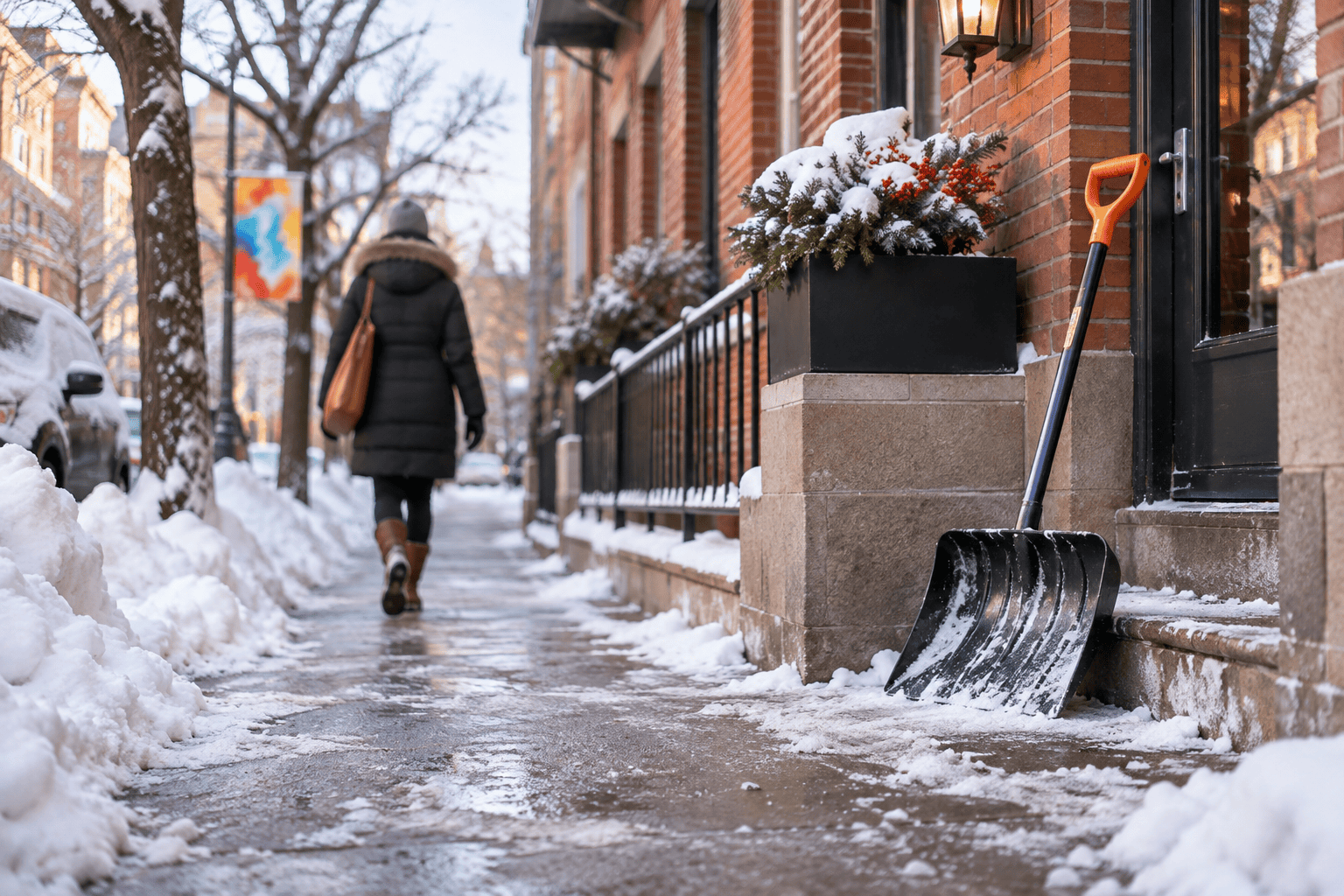
Snow and Ice Falls in New York City: Who Had to Clear It and When
Under NYC snow removal rules, the property owner next to a sidewalk has four hours to clear it after daytime snow stops, and until the next morning after evening or overnight snow. The stop time also decides whether the “it was still snowing” defense applies, and that fact disappears as fast as the ice. How […]