
The Fatal Side Effect of Marijuana Legalization
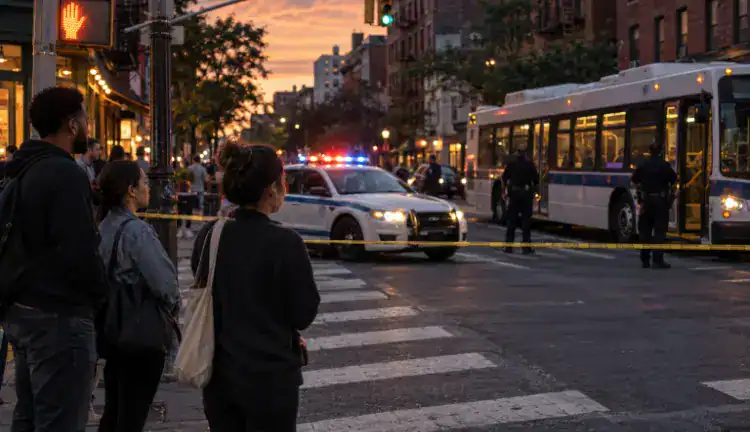
The number of drunk drivers has shrunk by nearly a third since 2007. Meanwhile, the number of drugged drivers is on the rise, and the results have proved lethal.
Drivers that tested positive for drugs rose from 12.4% in 2007 to 15.1% in 2013, according to surveys by the National Highway Traffic Safety Administration. The most common drugs in drivers’ systems were marijuana, at 34.7% of drugged drivers, and amphetamines, at 9.7%.
A report by the Governors Highway Safety Association found that an estimated 38% of people killed in auto accidents have detectable levels of drugs in their system. The report’s author, James Hedlund, attributes the rise in drugged driving to more widespread use of marijuana in the wake of its legalization, as well as an increase in prescription drug use. “It’s time to pay more attention to drug-impaired driving,” said Hedlund.
Drinking and driving is a deadly combination because it results in speedy, reckless driving and impaired coordination. Marijuana use, in contrast, tends to produce slower drivers, but it also slows reaction time and affects motor coordination. Hedlund’s report concluded that drivers with marijuana in their systems are twice as likely to be involved in car crashes than those that test negative.
When drinking and marijuana use are combined, the alcohol increases THC absorption, resulting in even more potent effects. A study by the National Institute on Drug Abuse found that drivers that consumed both marijuana and alcohol, even within legal limits, experienced dangerous impairment.
While most states limit drivers’ blood-alcohol content to .08%, there is no comparable metric for marijuana use. Police are not nearly as equipped to measure drug use as they are equipped to measure alcohol consumption. Oregon and Alaska, two states that have decriminalized marijuana consumption, have no state laws against driving under the influence of drugs.
Drugged driving is already a major cause of auto collisions in the US, and it is on the rise. How many more tragedies need to occur before the laws catch up?
Sources:
“Does Marijuana Use Affect Driving?” National Institute on Drug Abuse, June 2015.
Gray, Eliza, “How Much Does Marijuana Impact Your Driving?” Time, 23 June 2015.
Storrs, Carina, “Driving while drugged now just as deadly as drunk driving,” CNN, 1 October 2015.
Related Practice Areas
Image note: photographs accompanying our blog articles are illustrative and digitally created. They do not depict actual clients, actual attorneys of this firm, or actual events.
Read more

E-Bike, Scooter and Bicycle Accidents in New York City: Who Pays
After most e-bike accidents in New York, the no-fault insurer of the car, truck or bus that hit you pays first. That coverage pays medical bills and part of lost pay up to fifty thousand dollars under Insurance Law 5102(a), but nothing for pain, which takes a lawsuit, a serious injury and a share of […]

Brain Injury From a Hospital Mistake in New York: What a Malpractice Claim Must Prove
Yes, you can sue a New York hospital for a brain injury when hospital negligence, a departure from accepted practice, caused the loss of oxygen. Most hospitals allow two years and six months under CPLR 214-a. An NYC Health + Hospitals facility requires a notice of claim within ninety days under General Municipal Law 50-e. […]

Snow and Ice Falls in New York City: Who Had to Clear It and When
Under NYC snow removal rules, the property owner next to a sidewalk has four hours to clear it after daytime snow stops, and until the next morning after evening or overnight snow. The stop time also decides whether the “it was still snowing” defense applies, and that fact disappears as fast as the ice. How […]